Map Kibera in Kwale

by: mikel July 30th, 2010 comments: 0

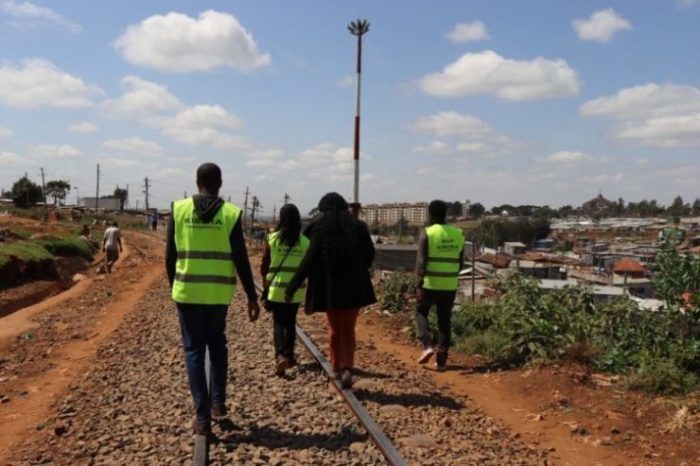
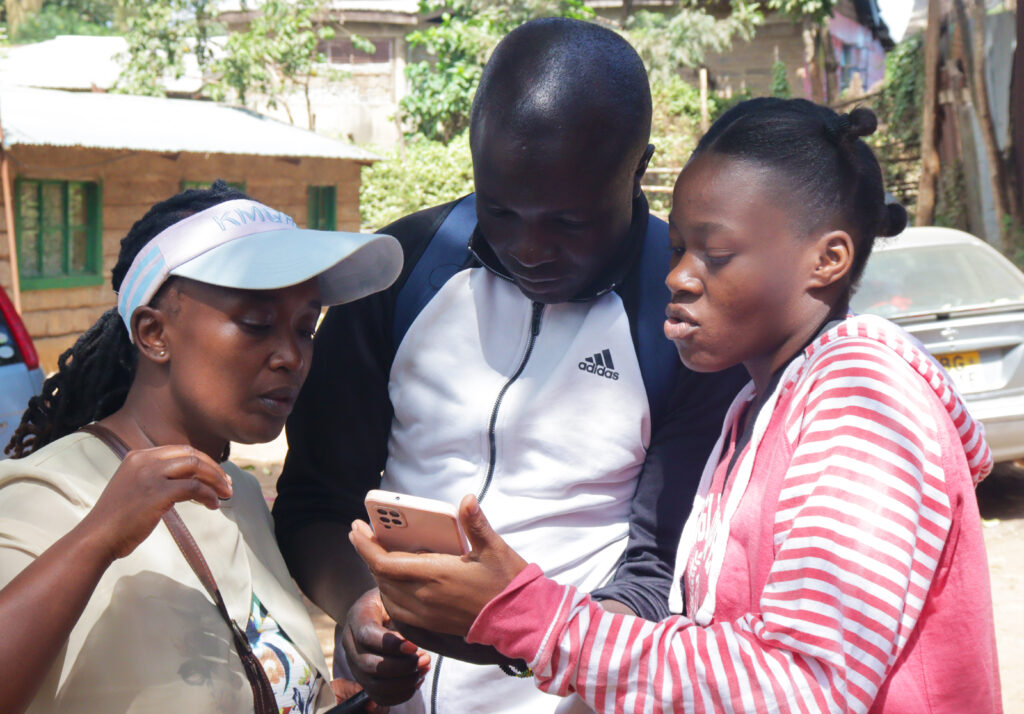
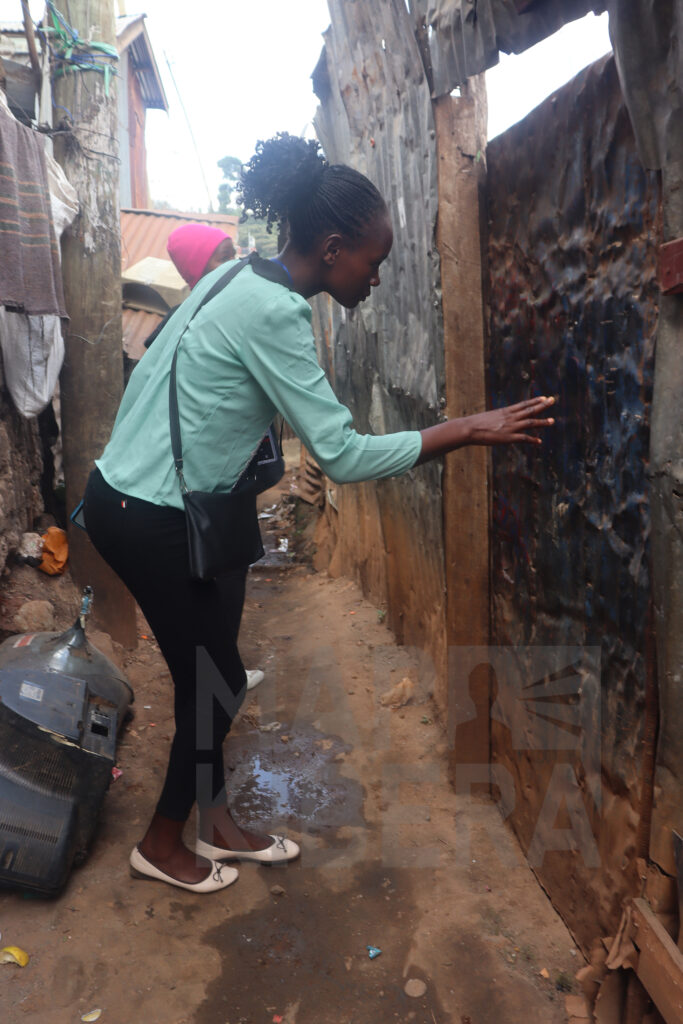
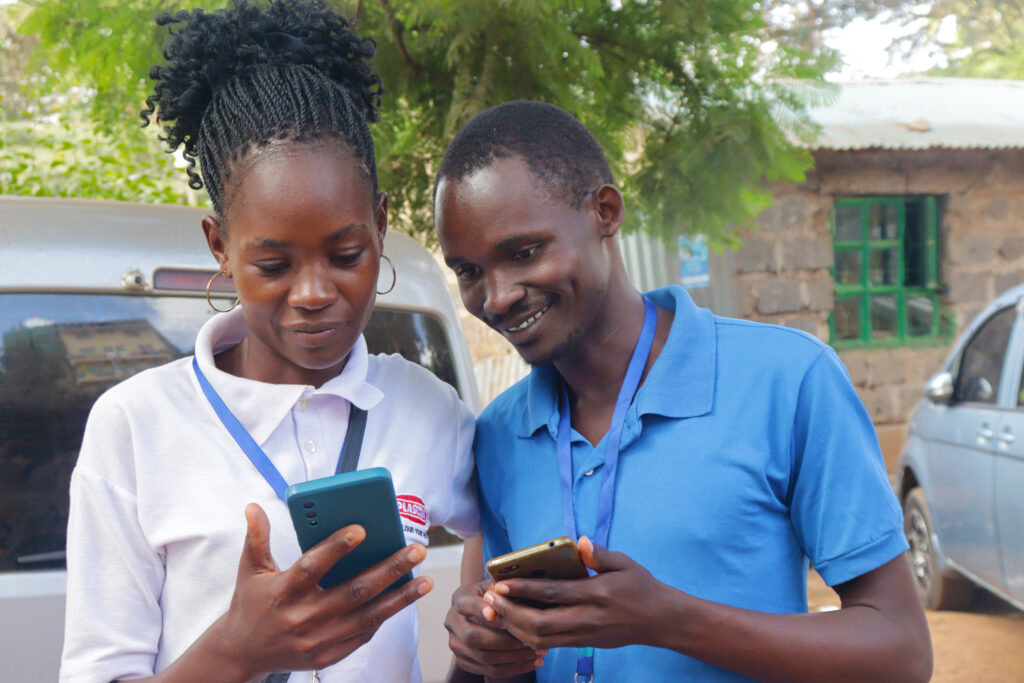
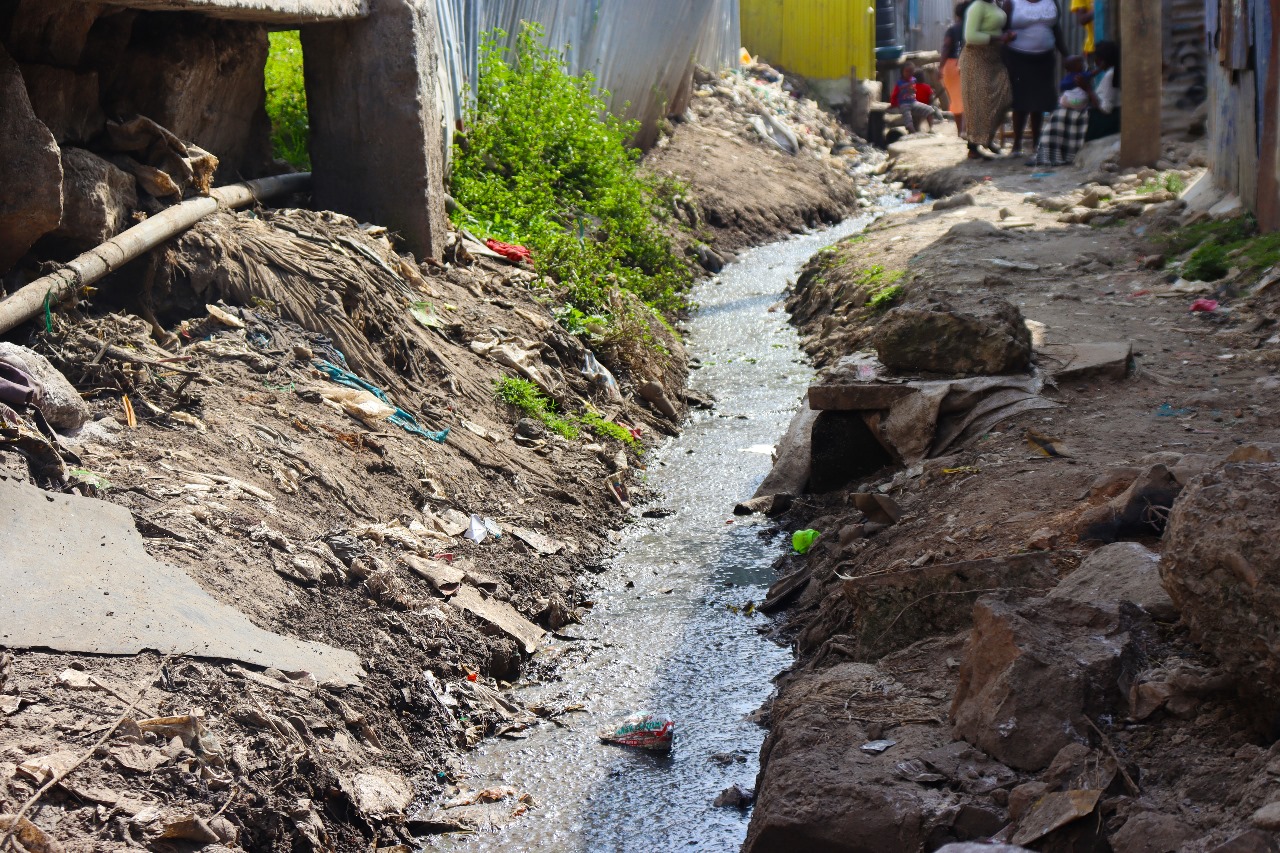
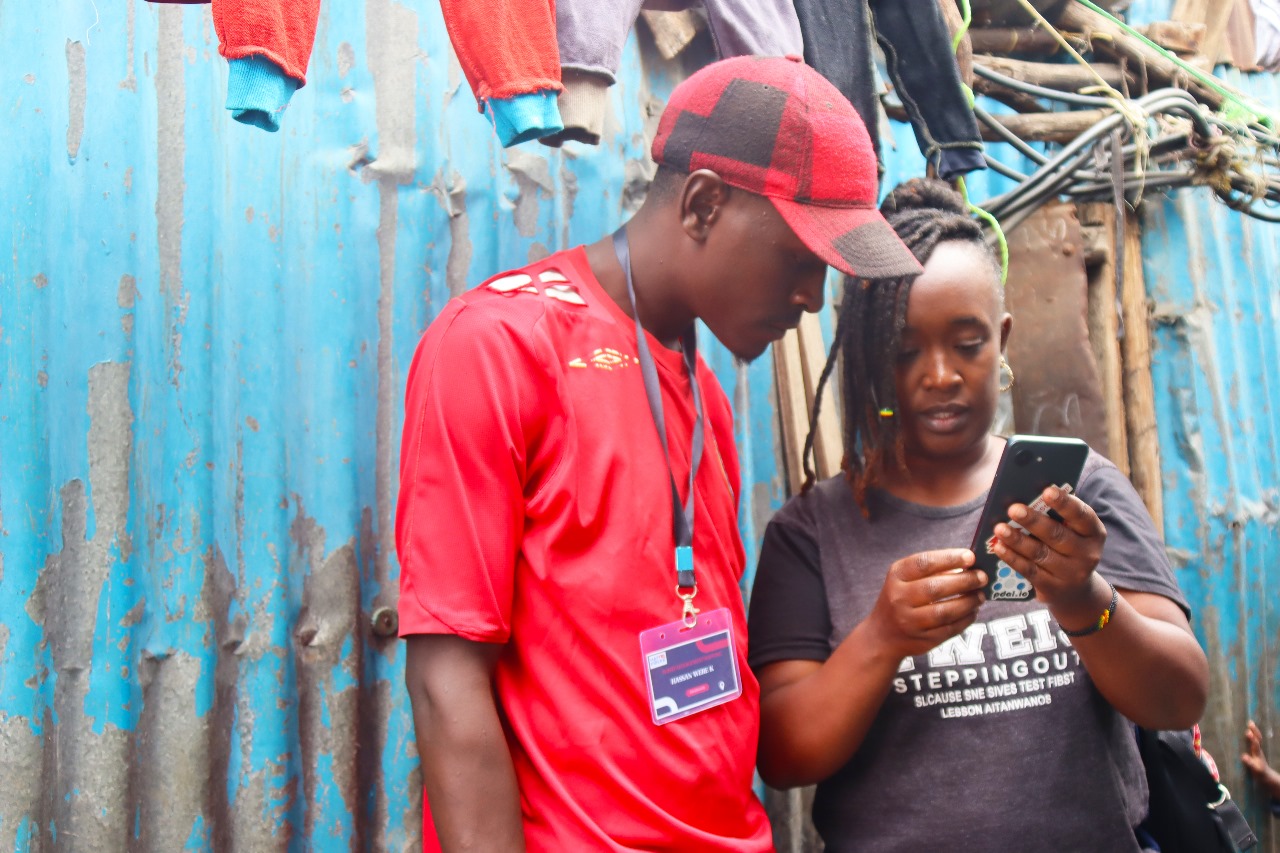
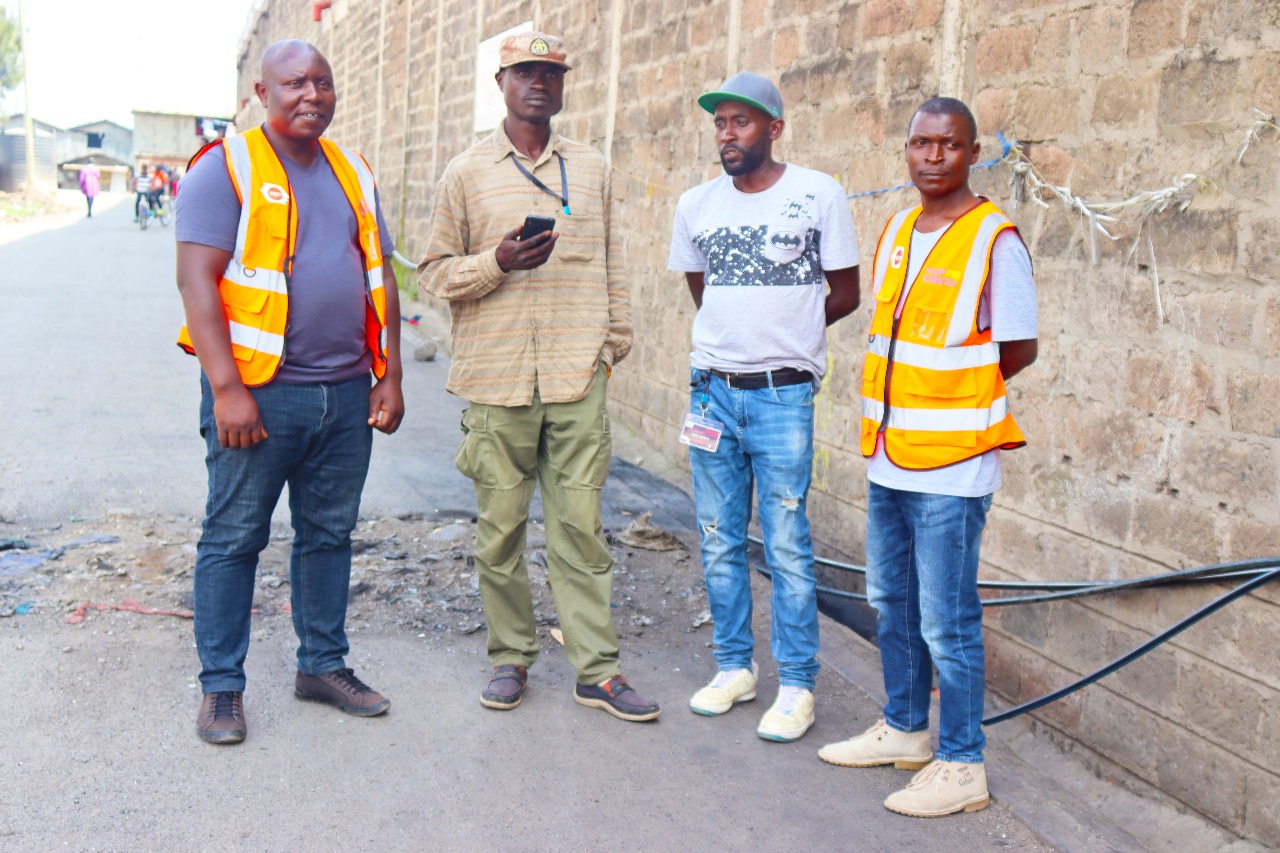
Millicent, Kevin, Jamie and Primoz rocked it at PLAN’s ICT4D workshops in Kwale, Kenya.

Super thanks to Linda Raftree and PLAN for inviting us.

Linda has great write ups on her blog.

Youth mappers: from Kibera to Kinango


A positively brilliant ICT4D workshop in Kwale, Kenya

Twitter Weekly Updates for 2010-07-25

by: admin July 25th, 2010 comments: 0

  • English teachers here say that residents of Kibera are called "Kiberians"! We have been using "Kiberans" mostly… #
  • another slang word for Kibera "KIBICH"! #
  • RT @meowtree: Kevin, a youth from Kibera is giving overview of @mapkibera. He's part of team of 13 youths trained in using GPS and mapping. #
  • New video by KNN: Ugandan circumcision ritual in Kibera:

    Ugandan circumcision ritual in Kibera

    July, 2010: Kibe… http://bit.ly/c4CcaU #

  • RT @jlundine: Points and lines and polygons, oh my! #mapping @mapkibera #
  • @meowtree map kibera better be joining in! in reply to meowtree #
  • looking at another intense and good day, starting off with GBV support network in Kibera, panel presentation at Gigiri, and mtg with OCHA #
  • GBV network meeting postponed. On the plus side, unexpected connection with CARE and their Kibera peace network #
  • thx! RT WorldBankDM: Mapping Kibera is a good example of crowdsourcing and empowering citizens. Like New York 311 #devoutreach #
  • New video by KNN: Safety Concerns Plague Kibera Railway Line http://bit.ly/c4REYQ #

Powered by Twitter Tools

UN Economic and Social Council

by: mikel July 21st, 2010 comments: 0

Map Kibera at the ECOSOC fair

Our colleagues at UNICEF HQ had a chance to present Map Kibera and Voice of Kibera at the last meeting of the UN Economic and Social Council (ECOSOC). This was a very high level venue, connecting decision makers with the efforts on the ground in Kibera. The voice of people of Kibera, heard directly in the halls of UN HQ … hope this had some kind of small impact! Part of the set up included a local SMS number connected to Voice of Kibera, so that attendees there could contribute their thoughts on the site, placed over UN headquarters.

Map Kibera at the ECOSOC fair

Cherif Zouein organized the team in NYC, including production of some lovely posters by Meghana. Cherif tells us that the Executive Director of UNICEF came by on the first day, the ex-president of the ECOSOC council came by also that day (she’s a
Luxembourg minister), as well as people and delegations from Cape Verde, Rwanda, Mozambique, Brazil, Bangladesh, Ghana… about 150 visitors all together. Thanks to UNICEF NYC for putting it together.

Extracts

by: mikel July 19th, 2010 comments: 0

Map Kibera recently had some exciting (and very hard!) work to do in the Mt Elgon district, collecting the locations of over a hundred schools. Those schools double as polling places, and were needed for NDI’s election monitoring work; Primoz will post details soon on the why and what of the week he and Mildred spent in the Mt Elgon hills.

What I want to write about now is a geeky post describing the process of producing OpenStreetMap extracts. NDI needs the data in a different form from OSM’s XML format, namely Shapefiles or CSV matching the schemas of their postgres database, for easy import.

This is something which has become almost routine for Map Kibera, as we’ve been producing extracts for download of our data, filtered by theme (health, security, education, watsan), and in a number of formats. It’s become so routine that I can see a clear way to automate and build non-technical interfaces around the process. An easy interface to get data out of OpenStreetMap, in the format and with the data that you want, shouldn’t require grappling with our tools and would benefit GIS people and others greatly. That’s part of the motivation behind the Humanitarian Data Model.

For now, a dive into the steps and underlying tools, by skipping through the process-mtelgon.sh script. This, and many other bits and pieces of Map Kibera code are up on mapkibera github.


# GET fresh Mt Elgon extract from OSM
wget http://www.openstreetmap.org/api/0.6/map?bbox=34.40356,0.74961,34.83117,0.95577 -O /home/mikel/mtelgon/mtelgon.osm

First, simply download a chunk of OSM xml from the API, around the Mt Elgon district.


/home/mikel/src/osmosis-0.34/bin/osmosis --read-xml file="/home/mikel/mtelgon/mtelgon.osm" --tf accept-nodes "education:type=*" --tf reject-ways --tf reject-relations --write-xml file="/home/mikel/mtelgon/mtelgon.polling.osm"

osmosis is a powerful command line tool for processing OpenStreetMap data in many ways. Here, osmosis is used to take the Mount Elgon data, and extract only nodes that have a tag with key “education:type=*”. That corresponds to all the polling places/schools Primoz and Mildred collected.


cd /home/mikel/mtelgon/shapefile; rm polling.*; osmexport ./shp-polling.oxr /home/mikel/mtelgon/mtelgon.polling.osm .; zip polling-shapefile.zip polling.*; rm polling.*

osmexport is a command line utility packaged with osmlib, a ruby library for handling OSM data. osmexport reads rule files which is a format specifying how to match osm tags into various output formats (Shapefile, CSV, KML). Rule files provide a quite simple way to describe this mapping, but can also incorporate any arbitrary ruby code, so more complicated processing is possible.

The example above is uses a rule file to output polling places shapefiles.

setup :Shp do
    point :polling do
        string :id, 20
        string :name, 100
        string :pollstat, 16
        string :type, 32
    end
end


nodes do
    if tags['education:type']
        :polling << {:id => id, :name => name, :pollstat => tags['polling_station'], :type => tags['education:type']}
    end
end

The first part “setup” describes the schema of the shapefile. The second part, “nodes”, iterates through every node in the given OSM file, and builds up an array in polling, which it output into the defined shapefile.

There are plenty of other examples in github.

Meet the Voice of Kibera Editorial Board!

by: jamie July 18th, 2010 comments: 0

The Voice of Kibera Editorial Team (left to right) Jamie Lundine, Josphat Keya, Erica Hagen, Melissa Tully, Sande Wycliffe, Fredrick Bary, Jeremy Omondi, (front) Douglas Nmale

The Voice of Kibera Editorial Board Team (left to right) Jamie Lundine, Josphat Keya, Erica Hagen, Melissa Tully, Sande Wycliffe, Fredrick Bary, Jeremy Omondi, (front) Douglas Namale

In April 2010, we held the first Voice of Kibera workshop. The overall goal was to introduce the Voice of Kibera platform to community members. We wanted to understand how the website and SMS reporting tool could benefit the local community. We also hoped to recruit some local talent to participate in the effort to create online content by and for the residents of Kibera.

We met our goal! The workshop was a success! One of the most fabulous ideas to come out of the workshop was the suggestion of creating an Editorial Board that would be responsible for site administration, including verifying incoming messages. The Board members would also act as SMS reporters within their community, sending in messages to let Kibera and the world know what’s happening around them.

So, since May 2010, Erica, Melissa and I (the Voice of Kibera technical advisers) have been working closely with the Voice of Kibera Editorial Board.

Douglas Namale - photo credit Josh Goldstein

Douglas Namale

Douglas is a journalist, an editor at the Kibera Journal and a mapper with Map Kibera. He is interested in information communication technology (ICT) and is an advocate for ICT literacy, particularly among the youth. Douglas first heard about the Voice of Kibera project through his involvement with Map Kibera. Douglas says he was immediately supportive of the idea, as ” it was simply fulfilling my aspiration of being a voice of the community through citizen journalism. This is particularly important to Douglas because he says he wants “the community [to] tell their story themselves [rather] than waiting for the main stream media to talk about it, which in some cases is biased or exaggerated.” As a pioneer of community journalism in Kibera, Douglas saw Voice of Kibera as a project “worth participating in” – specifically to increase awareness of the ICT tools and citizen journal to more people in his community. When not working hard on his many community activities, Douglas enjoys adventures. He tells us that his favourite food is matoke (a traditional Kenyan dish of boiled plantain).

Sande Wycliffe photo by Erica Hagen

Sande Wycliffe

“I am a go getter! If you stand in my way, I don’t worry because you will never ever deny me the opportunity to get what I want.”

Sande is a community leader who is motivated to see “a more positively transformed Kibera [in terms] of, infrastructure, information and knowledge exchange and above all unity of purpose for [the] people [of Kibera].” Sande hopes that he can work together with other community leaders to achieve change. His involvement in Voice of Kibera began after he attended a presentation on the project at a Global Giving workshop earlier this year. Sande says he was eagar to learn more about the Ushahidi platform – upon which the Voice of Kibera site is built -  to use it, made me have a feel of getting involved for In the back of his mind, Sande says “I saw it to be a super nice platform for information dissemination – it acts as an online media tool for Kibera and its people.” Sande notes that the project is already beginning to provide the world with tangible proof of what happens in Kibera, as opposed to media propaganda that the people of Kibera have always seen.

Fredrick Bary photo by Erica HagenFredrick Bary

Fredrick  is a member of a community youth group and is involved in environmental issues, such as tree planting, community clean ups.  He is also a peer HIV/AIDS educator, which includes encouraging youth to be more creative in how they spend their time; he spreads the message “invest in [your] time and [don't just] spend it.”  Fredrick hopes that his peers will get involved in youth programmes as a way of empowering themselves through engaging in differen activities that allow them to affect positive change within the community – just as Fredrick has done himself.  Fredrick’s involvement with Voice of Kibera began when he learned about the project through a friend. When asked why he’s involved in the project, Fredrick says “more often people associate Kibera [with] violence and all sorts of negativity, giving the world at large a negative mentality toward Kibera. [I'm thankful for] the Voice of Kibera because it gives out the true image of Kibera, highlighting [the community's] grievances as well as their views in all areas of life; it’s through Voice of Kibera that one gets precise, reliable and up to date happenings within Kibera without exaggeration as some media houses do. I feel great when I give out the truth regarding Kibera.”

Josphat Keya photo by Erica HagenJosphat Keya

Josphat is currently the Program Coordinator at the Hot Sun Foundation, a charitable trust based in Kibera. As Program Coordinator, Josphat plans events and coordinates the day to day operations at Hot Sun, an organisation that empowers youth through media and arts. He is also involved in collecting community stories through Kibera TV, which is how he heard of the Voice of Kibera project. Josphat states however that his involvement with the project is more than just as a representative of Hot Sun Foundation. He says he is also “representing the voice of some youths in my community.” He goes on to say that “As the name states, Voice of Kibera is literally…a voice for the people of Kibera – a voice [through] which they can tell what it is happening around them.” He says “I feel privileged to be part of this initiative.” Outside of his work, Josphat loves doing research. He says “I love going deep into issues that people tend to shy away from, not to just know what it is that is making them to shy away but to understand the reasons behind it – you never know maybe I can help.” But the thing Josphat loves doing the most is “interacting with people, socializing or simply making new friends. I see this as a powerful tool in bringing people together and learning what you had not known before about a particular people; in doing this you end up appreciating the people you meet.”

Jeremy Omondi photo by Erica HagenGerry Omondi

Gerry has training in Community Based Project Planning & Management and is the deputy administrator with a women’s organisation called Mchanganyiko. His responsibilities with the group include planning and managing the expansion the group’s programmes and resources. He is also involved in strategizing on how the community can benefit from Mchanganyiko’s activities. As part of the organization’s policy, Gerry ensures that the networks Mchanganyiko builds benefit not only the organization, but also the community at large. Gerry says he enjoys the challenging work. He is a coordinator of TEDx Kibera. During a TEDx Kibera presentation, Gerry learned about Map Kibera – the digital mapping project in his community. Gerry says he “ immediately grasped its importance.” Since that time, Gerry says “Map Kibera has steadily emerg[ed] as a powerful tool for not just locating place, but also for influencing the social, political & economic spheres in Kibera and beyond.” Gerry was intrigued by the project and felt that that it was his “call is to be a development ambassador [which is] something I find in common with the rest of the Voice of Kibera team.” He says “connectivity is the overriding fuel [behind my work] and this revolutionary platform is where to be!” Gerry takes his work seriously, but is a compassionate person who understands that empathy, rather than sympathy will allow him to engage with others in his community. Gerry admits he’s a night owl and can often be found watching his favourite football team – Arsenal FC.

Review of Kibera documentary and World Bank mag article published

by: Erica July 18th, 2010 comments: 0

I was recently invited to comment on the amazing PBS documentary, Good Fortune, including the point of view of the Kibera News Network who watched the film with me. This is a beautifully filmed and highly personal documentary about the drawbacks of the slum upgrading project in Kibera and an agricultural development project in Western Kenya, and I’d love to hear what others might have to say about it. You can view the movie online here if you live in the US. You can also see the first installment of KNN’s follow-up reporting on the slum upgrading project here – if you live anywhere that allows Youtube. I’d strongly urge the filmmakers to make this film available in Kenya, online, for free – what is the point if Kenyans themselves cannot view, comment, and discuss? I myself have a copy in case anyone wants to borrow it.

Also fresh off the press is an article I wrote on the early stages of Map Kibera called “Putting Nairobi’s Slums on the Map“, in the World Bank’s Development Outreach magazine.

Twitter Weekly Updates for 2010-07-18

by: admin July 18th, 2010 comments: 0

Powered by Twitter Tools

Twitter Weekly Updates for 2010-07-11

by: admin July 11th, 2010 comments: 0

  • we are really disappointed to learn that Regynnah's visa to Spain for SOTM has been denied #
  • New video by KNN: Diabetes testing clinic in Kibera:

    Diabetes testing clinic in Kibera

    Volunteers recently visi… http://bit.ly/aYYWUP #

  • New video by KNN: Slum Upgrading Follow-Up Interviews:

    Slum Upgrading Follow-Up Interviews

    Several residents of… http://bit.ly/di2kVW #

  • Map Kibera presented at State of the Map. Great feedback from everyone and lots of interest. We miss Regynnah. http://is.gd/dmE74 #
  • Cool to watch videos sent in by scholarship recipients at #sotm10 who were denied visas: Haiti, Ethiopia. #
  • @itsjina You're not 30 yet? Jeez girl. I really do think there's a hormonal shift about then… #

Powered by Twitter Tools

Kibera News Network update

by: Erica July 5th, 2010 comments: 0

Something pretty amazing is happening in the dusty concrete rooms of our partner, KCODA.

It’s been about three months since we started working with 17 Kibera youth on the Kibera News Network (KNN) – an online “TV channel” for local stories and news about Kibera. They had no video experience and very little computer experience, and faced daunting challenges like lack of internet access, frequent power failures, slow computers, rampant viruses, and poor software – not to mention being nearly attacked for attempting to record subjects like a woman being beaten and looters on an overturned train. But they’ve now uploaded more than 20 short videos up on KNN’s Youtube channel, using Flip cameras and other supplies donated by UNICEF and computers at KCODA, and the new community journalists are posting more every week (or rather – giving them to me to upload, as we all wait for hallowed arrival of Safaricom wimax).

The purpose of KNN is to provide a means for Kiberans (mostly youth) to become citizen reporters of their community – sharing stories using Flip cameras and posting them online. The stories are also mapped on Voice of Kibera, and contribute to our broader goal of empowering communities to share and generate their own information. The news they report isn’t usually covered by other sources, so it’s a valuable community resource. It’s not meant necessarily to professionalize them as reporters, but to engage as many youth as possible in engaging with their community in this way – though those who enjoy it could certainly pursue journalism or videography careers.

Recently, we’ve been working on some important topics. One team reported on the recent slum upgrading in Soweto East; another on electricity disconnections. Riots have been covered alongside events promoting the draft constitution and a visit by Arsenal football coaches. A recent video on male circumcision has touched on a controversial topic and attracted a lot of views .

Jemimah

Jemimah, KNN reporter

I’ve watched the group evolve over the past few months. We started with five teams of 3 or 4, meeting once a week. Some of them asked if they could come every day to learn as much as they could. Luckily, the KNN leaders – two young Kiberans who are already skilled in filmmaking – were happy to hang out at the KCODA office, making use of the computers and help the students edit their pieces. Steve and Jahdi are also learning how to lead and support their peers.

Rather than following a traditional training model, it’s more like a youth group – peer education and management. This sometimes means that things get a bit messy. We lock our cameras and have one of the KCODA staff, also a KNN member, sign them in and out. Any lapse in procedure can be a big problem – we had a scare when one Flip cam went missing for about a week and then “mysteriously” reappeared after prolonged debate in our weekly meeting. In order to prevent such things, I think that a sense of group identity and ownership – this is our place, these are our resources – is key. This is already happening – within each team they are keen to weed out those who aren’t “serious” and find new recruits themselves. So the group has become self-regenerating. The 17 or so we have now are not all from the original group – we’ve had to do introduction sessions for new students.

jacob2

Jacob demonstrates

One of the most striking things about the project is that so far it’s purely voluntary, including the trainers – except for lunch on meeting day. If you know Kibera, you know that very few people do anything for free, unless it’s really important to them. The group has pushed me to spend far more time on this than I anticipated, keeping up with demand for new skills and managing this growth spurt. They do get access to the computers and cameras and training, and I think the skill building is clearly a benefit. However, in the long run, we’ll have to think more about how to help them to raise their own funds for the project. There are luckily some opportunities locally, like A24, to market clips and videos, so I think they have a chance. But I’ll have to write a whole separate post to cover the topic of paid vs. unpaid community journalism. As with OSM mapping, citizen reporting is different when you’re not wealthy. I’m just hoping to create chances for those youth with something to say, to have a chance to say it.

Working on the site at KCODA

Working on the site at KCODA

They think it’s exciting to see their work online, but are also interested in making sure the rest of Kibera also gets to see it. On July 17th, they’ll have a local debut – showing a few clips at the start of a documentary someone else is bringing to Kibera. In the midst of all this, we’ve managed to recruit some great volunteers in both tech and journalism (though we’re still looking for a longer-term intern!).

Now, I’m interested to see how the introduction of the internet at KCODA will impact KNN. KCODA is in process of installing full-fledged computer lab, and they already let KNN use 2 computers full time. The students will be able to upload themselves, and thereby become more like the  citizen reporters we’re now used to in the US. But their relationship with the internet is different – it’s not something second-nature and constantly at their fingertips, it’s a prized commodity and valuable resource. We’ll see how things evolve once this resource is more accessible.

Twitter Weekly Updates for 2010-07-04

by: admin July 4th, 2010 comments: 0

  • @ramlas Sorry for the slow reply: you can use any Flickr pix, just credit. in reply to ramlas #
  • RT @brianekdale: new changaa bill is kenyan test of my standard political philosophy of legalize, regulate, tax http://bit.ly/cN3XnQ #
  • at the Nike Foundation meetup discussing young girls and technology http://girleffect.org/ #
  • "slumgardens": UN Nairobi intern housing, rumor either to be site of former slum, or housing prototypes designed for slum upgrading. really. #
  • @VisionAfrica nike foundation specifically doesn't do sports; perhaps a conflict of interest? education, skill building, connecting a focus in reply to VisionAfrica #
  • New video by Kibera News Network: Kenyan power company recently disconnected electricity in a Kibera market: http://twurl.nl/oc7gcx #
  • we have laptops http://www.flickr.com/photos/mapkibera/4745566362/ #
  • cool hanging out with mukuru mappers ala pepfar/emory. perhaps some possible extensions there. interesting comparing kibera & mukuru fabrics #
  • incredible work from ILRI with Massai to GPS map fences in open range lands, and influence policy http://is.gd/daOHs #
  • Ambassador Rannenberger is pumped about Map Kibera #
  • group 4 idea: an open org directory of who-what-where, backed up by community of sector networks contributing data #apps4africa #
  • Watch closing remarks on #apps4africa via live stream, from US State Dept reps: http://twurl.nl/u6vkz0 #
  • RT @EthanZ @afromusing: Voice of Kibera and OSM of an unmapped area – shows water services, church, schools. Map as picture of life. #
  • Just seeing this now, a little remix video on Phase 1 of Map Kibera from African Digital Diaries: http://twurl.nl/offks8 #

Powered by Twitter Tools